Adaptive Reading Technologies
2024 · Market analysis
Master of Educational Technology — University of British Columbia
Context
In 2023, Ontario educators were introduced to a revised language curriculum. This development, influenced by the 2012 Supreme Court of Canada ruling on Moore v British Columbia and the 2022 Right to Read inquiry report, emphasized that the ability to read is not merely a privilege but an inherent human right. We are now tasked with providing comprehensive educational frameworks, based in systematic evidence-based approaches, that cater to students of all abilities.
At the core of this shift lies the potential for integrating adaptive reading technologies that are grounded in the science of reading. These adaptive tools can cater to individual learning styles and abilities, presenting a unique opportunity to explore new pathways for engagement and comprehension. Informed by empirical research, these technologies offer personalized learning experiences, helping students progress reading levels faster and offering educators better insights to areas of interventions.
As a Ministry we need to be addressing the Right to Read recommendations in the most efficient way possible, and this includes investing in Adaptive Reading Technologies that are grounded in the “Science of Reading”.
The Report
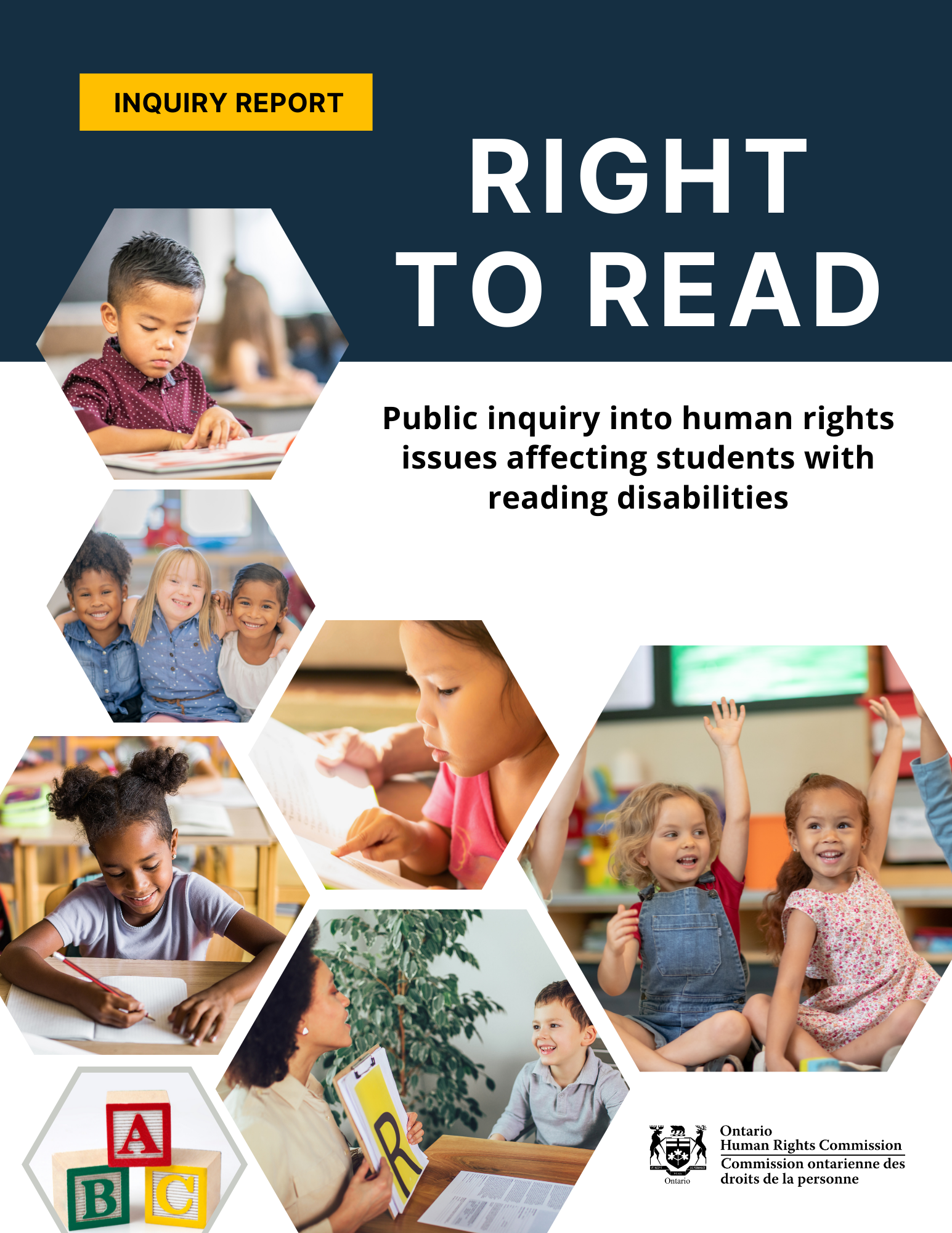
In February on 2022, the Ontario Human Rights Commission released the Right to Read Inquiry Report providing an analysis of the reading issues in Ontario and 157 recommendations to address the systemic issues affecting our children’s right to read. Key findings have found that:
In 2018–19 only 74% of Grade 3 students met the provincial reading standard on the primary-division assessment. Only 62% met the standard unassisted.
In 2018-19, 81% of Grade 6 students met the provincial reading standard, with only 72% of students meeting the standard unassisted.
Science of Reading
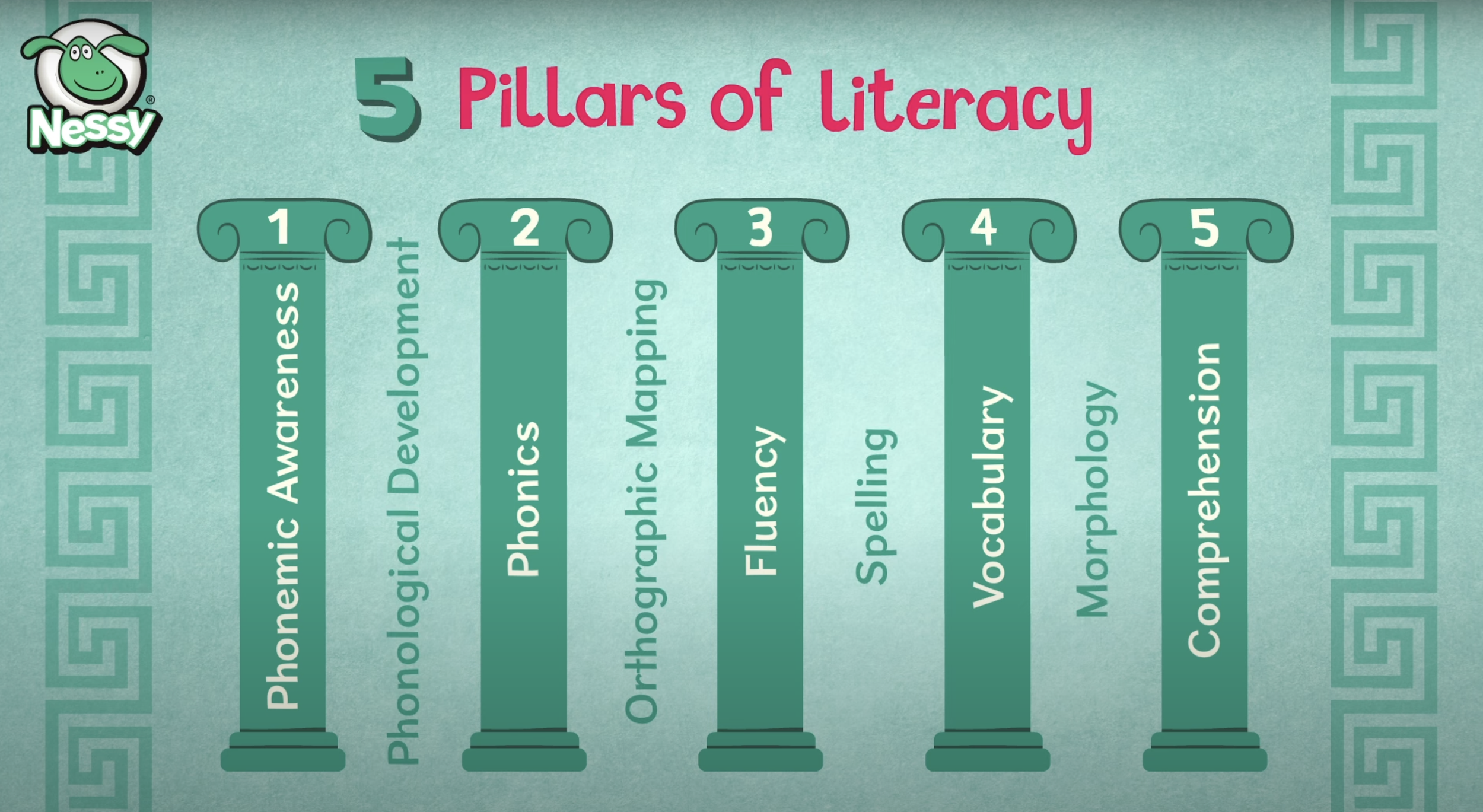
The Science of Reading refers to the body of literature and studies conducted, and still being conducted, to reveal proven strategies for improving the skills needed to read successfully. Most important to note is that the science of reading is not one specific application or program that is widely applicable to all learners and it is not a stagnant body of literature. From the current literature, the science of reading will focus on the 5 pillars of literacy.
Current Reading Programs
The elementary and middle school markets are poised for adaptive reading technology interventions as soon as possible. Our current investments are programs that either do a pre-assessment and stream students into a learning pathway or require the teacher to be individually assessing and adapting the programs for students. This works for 1-2 students in small group settings, but this is not realistic in our current landscape.
S.P.I.R.E.
- Lesson-based intervention program
- Grounded in science of reading
- Most effective for students with dyslexia
- Well studied and widely used
- Physical or digital
- Requires teacher-led and one-to-one
- A comprehensive research-backed review
- NEW: Adaptive Reading Assistant just introduced
Catch Up Your Code
- Lesson-based whole class instruction program
- Can be used with small groups
- Requires assessment up front
- Teacher can choose pathways based on lesson
- 10 minutes a day
- Backed by research, no specific reference to science of reading
UFLI
- Lesson-based whole class instruction program
- Can be used as intervention
- Grounded in science of reading
- Targets foundational reading skills
- Accompanying powerpoints, but is physical
Market Readiness & New Opportunities
The market seems to be indicating a shift towards using AI interventions.
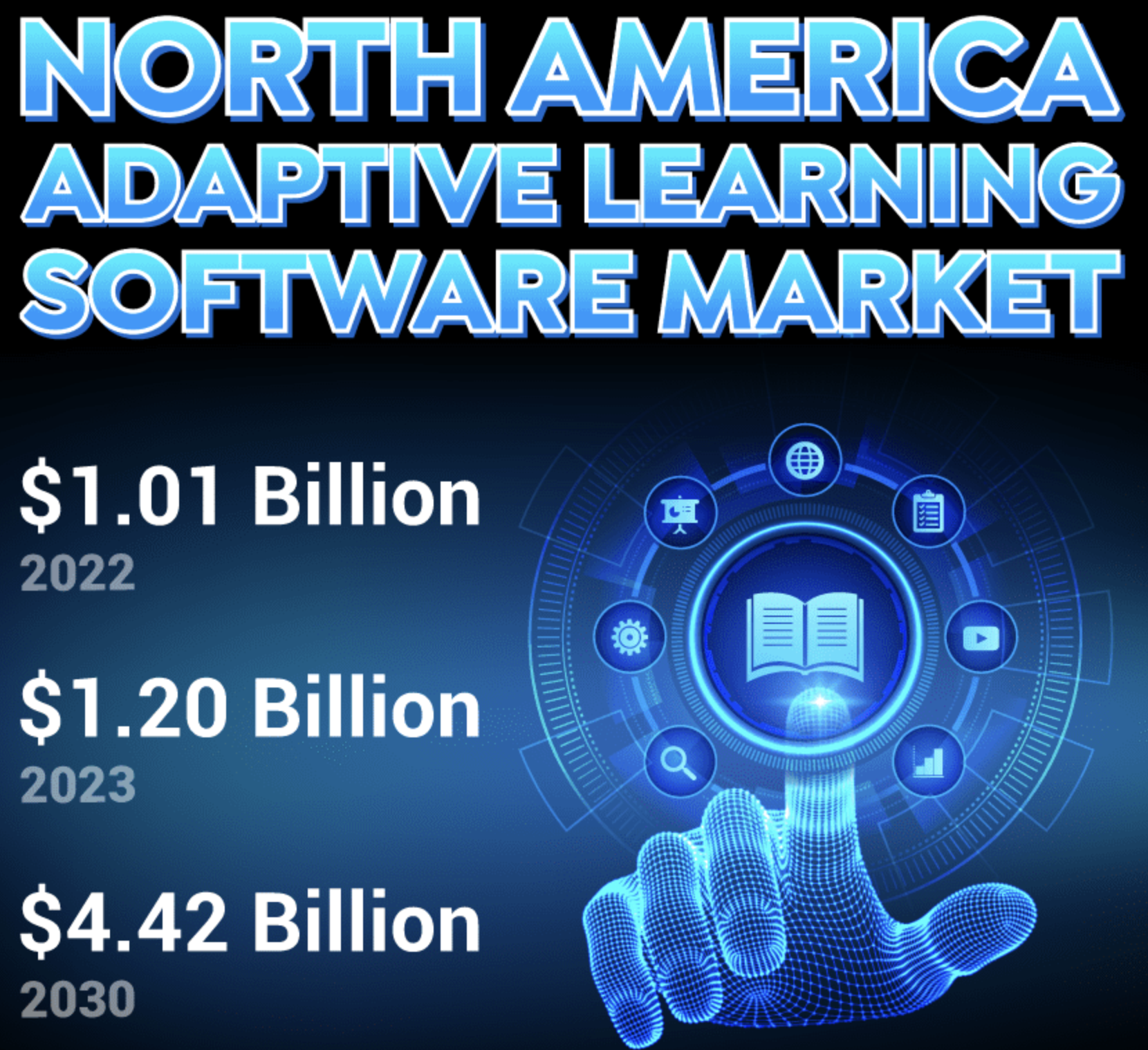
According to Fortune Business Insights (2023) the North America adaptive learning software market size is projected to “grow from $1.20 billion in 2023 to $4.42 billion by 2030, at a [compounded annual growth rate] of 20.5%”.
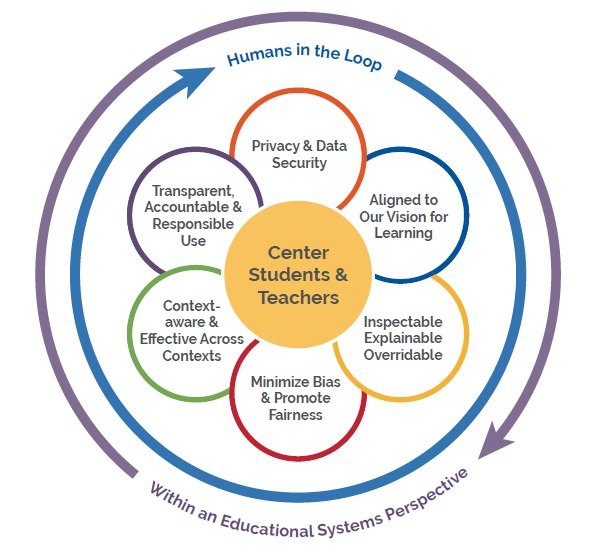
The North American market is ready for a shift towards using AI adaptive reading interventions. In fact, some companies are already leveraging the power of speech recognition artificial intelligence to create reading programs. Furthering the bullish position on the market, the Office of Educational Technology from the US Department of Education officially released its insights and recommendations on Artificial Intelligence and the Future of Teaching and Learning in May of 2023. One key insight highlighted the research-backed benefits of harnessing AI enabled adaptivity in learning. Even more interesting to note is the specific mention of using adaptive reading technologies (p39) in the report as well. As evident in the graphic shown, AI is not going to replace the teacher. The research suggests that humans must be at the center of the educational loop in order to be most effective.
The Future of Adaptive Reading
Advancements in Voice AI technology pave the way for adaptive reading programs.
Amira
Amira is an adaptive reading technology that brands itself as a personal reading tutor for students. Using adaptive artificial intelligence it continuously monitors and assesses students as they read to the program and adjusts the next activities and instructions - the highest level of literacy support. Amira’s dynamic adjustments are grounded in the science of reading, with specific references to Scarborough’s reading rope. The Amira program is used by more than 2 million students around the globe and can expect to grow.
Reading Assistant for S.P.I.R.E.
Reading Assistant is an AI-driven tutor that offers adaptive reading practice and intervention to improve progress for students. Utilizing voice AI and speech recognition technology, students engage in oral reading while an avatar, Amira, provides real-time personalized feedback and micro-interventions. This process generates valuable data insights for educators, facilitating a deeper understanding of each student's reading skill development. By adhering to its implementation guidelines, Reading Assistant proves to be a potent tool for expediting reading proficiency. This comprehensive approach to reading instruction is based on the science of reading and will reduce educator effort and wait time for results, covering universal screening, dyslexia identification, benchmarking, progress monitoring, and placement.
Ready4Reading
Ready4Reading is a science of reading based literacy tool for K-3 students that uses systematic instruction to guide students through the sequential acquisition and practice of foundational reading skills crucial for literacy development. This phonics system offers flexible modules that seamlessly integrate into existing reading programs, enhancing whole group, small group, and learning centre activities. Moreover, Ready4Reading provides powerful data insights through its adaptive assessment tool, Letters2Meaning. This assessment offers Grade Level Scores aligned with the program's Scope and Sequence, aiding teachers in student placement, progress tracking, and success monitoring.
Harnessing Voice AI (SoapBox Labs' speech recognition technology) Ready4Reading empowers students to independently practice phonics and reading skills using their voices. This feature accurately understands students' speech regardless of background, ethnicity, or age, providing educators with real-time, skills-level reporting to personalize instruction effectively. By leveraging adaptive AI, Ready4Reading ensures that every student has the opportunity to succeed in literacy.
Ello
Ello harnesses the power of Adaptive Learn™, its proprietary AI engine, to provide personalized reading instruction akin to a 1:1 instructor. By incorporating child speech recognition technology and a proprietary AI that adapts to each child's abilities and interests, Ello delivers tailored learning experiences. Rooted in the science of reading, Ello's responses are designed to optimize literacy learning outcomes. Through large generative models, Ello creates personalized stories and teaching materials that evolve and interact with each child, meeting them at their optimal learning level.
“In recent years, more than half of all states have passed laws encouraging or incorporating the science of reading in classroom instruction, marking a major shift away from the previously pervasive balanced literacy approach. This transformative movement is creating strong tailwinds for literacy technology businesses.”
— Harris Williams Bank (2023)
Future Outlook
Educational companies are always vying to create more space in the learning technology market and school boards will continue to invest in them - especially when we see reports like The Right to Read. It is clear the gap for this specific emerging technology exists. I am currently working in schools that are struggling to implement a consistent literacy program for students for various logistical reasons. When reflecting upon opportunities for new companies, it is clear that although there are large educational companies in the literacy space, the application of adaptive reading technologies is still blooming. The voice AI technology used to create these programs is readily available. Experts in the science of reading and those with hands-on experience in education, specifically literacy, might see this as a viable gap and opportunity.
That being said, when looking specifically at the application to Canada and even more locally in Ontario, the organizational structure of teachers makes it difficult to provide province-wide interventions because of union guidelines. This may create a barrier to bulk sales within school boards as they cannot guarantee programs will be adopted by teachers who have the freedom to choose.
Read the complete work
Reading Technologies — Analyst Report 2024Read more ↗References
Amira Learning. “Homepage.” Amiralearning.com, 2023.
Cardona, Miguel A., et al. Artificial Intelligence and the Future of Teaching and Learning Insights and Recommendations. Office of Educational Technology, May 2023.
Ello Technology, Inc. “Read with Ello.” 2024.
EPS Learning. “Reading Assistant - EPS Learning.” 2024.
Fortune Business Insights. “North America Adaptive Learning Software Market.” May 2023.
Harris Williams. “Literacy Technology: The Science of Reading.” 11 Sept. 2023.
Klein, Alyson. “Measuring Reading Comprehension Is Hard. Can AI and Adaptive Tools Help?” Education Week, 15 Mar. 2023.
National Center on Improving Literacy. “The Science of Reading: The Basics.” 31 Aug. 2022.
Ontario Human Rights Commission. Inquiry Report: Right to Read. Government of Ontario, Feb. 2022.
University of Florida Literacy Institute. “UFLI Foundations.”